
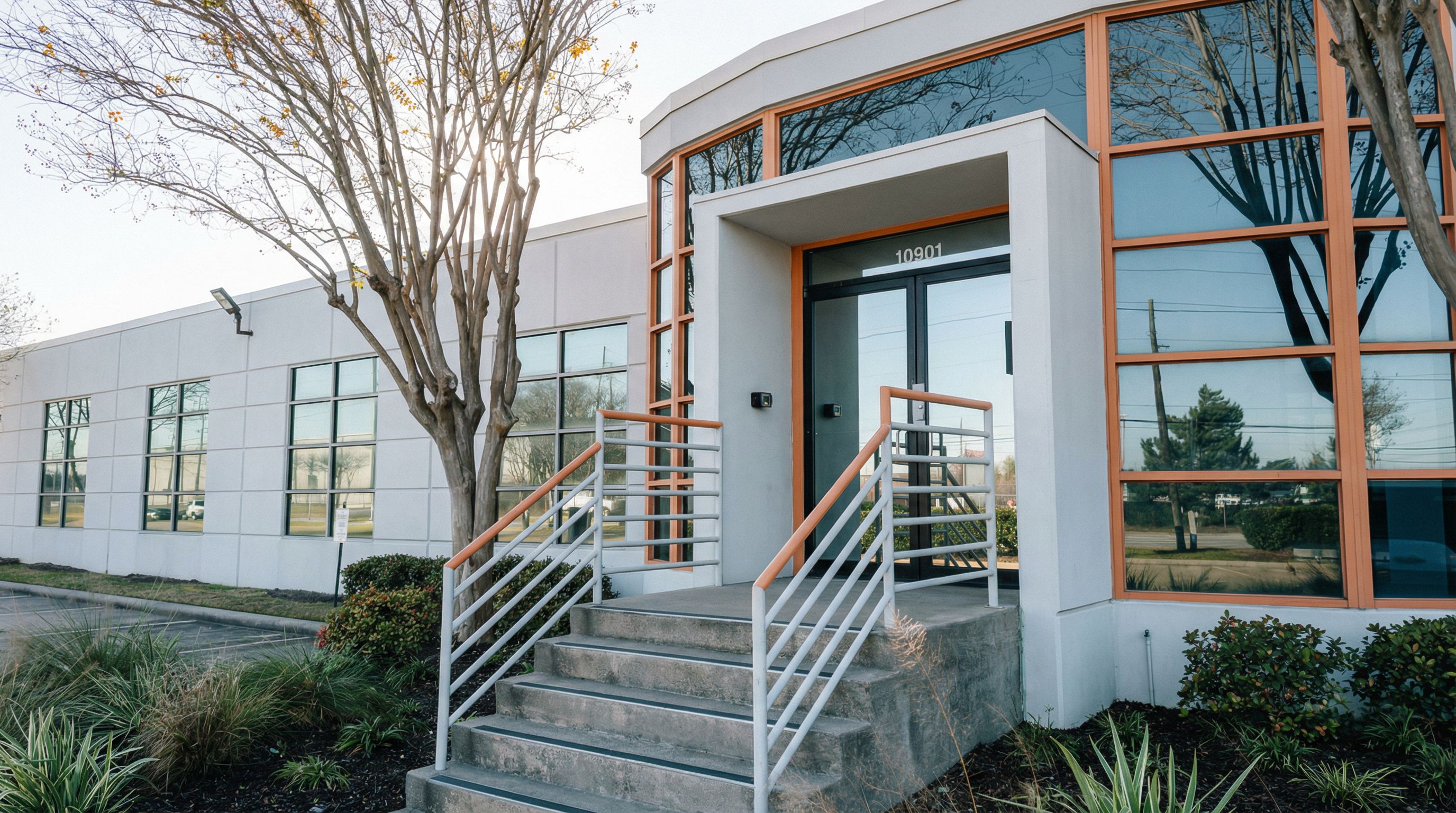
You are professional photographer and expert architect, you role is to transform the input into realistic photograph and add photography effects like chromatic abberation, ISO noise, Film grain, Sharpening pass, Soft glow, Exposure correction, Tone mapping, Bloom + glare mix. Composition: Always keep same input composition and camera angle, accordingly NEVER EVER crop the input or change the angle unless otherwise is mentioned in the user instructions regarding camera angle or composition. For example: if input is a tower, it should be fully visible. Additional guidance: consider the user instructions provided below to help you. Text: if input contains text, ensure to render it correctly. Errors: final output should be 100% correct without any errors or strange things. Input type: you are expected to handle different input types like clay model inputs, freehand sketches, photos, you have to think first how to transform each one into an ideal photograph Creativity and adding details: exteriors: add elements like landscape, context if needed to make the scene perfect award-winning shot. interiors: materials, textures, interior accessories,..etc. Final Result: final result quality always should tend to look like a realistic photograph unless user specifies different style below. User Instructions: "Exterior material, lighting, and landscape refinement ONLY for the existing commercial office building entry shown in the image. This is a close, angled detail view. Do not alter building height, roofline, parapet elevation, wall geometry, window size or placement, door size or position, stair geometry, railings, slab edges, landing dimensions, planting bed boundaries, or surrounding pavement. Maintain the exact structure, proportions, and scale as photographed. Do not add, remove, shift, or resize any architectural or site elements. No new ramps, stairs, canopies, sidewalks, planters, walls, railings, or landscape areas. Replace the existing exterior wall finish with smooth, minimalist tilt-wall concrete panels in a clean, cool white to soft off-white tone crisper white, no beige or yellow undertones. Panels should read as contemporary architectural precast concrete. Maintain existing panel joints and rhythms only—do not introduce new reveals or divisions. Apply restrained secondary trim or framing in a light-to-medium neutral gray for subtle contrast, without adding depth or changing dimensions. Introduce subtle architectural orange accents inspired by the reference standard, using a muted, refined orange. Limit orange strictly to surface-applied elements already present, such as door surround trim, thin horizontal accent bands aligned with existing joints, handrails, or mullions. Do not use orange to create new forms, projections, or emphasis beyond existing geometry. Adjust lighting to a soft, evenly diffused daytime condition. Reduce harsh shadows, strong contrast, glare, and dramatic directional sunlight. Maintain a calm, bright, professional atmosphere with gentle shadow definition only. Improve landscaping only within the existing planting beds shown, increasing fullness and health of shrubs and groundcover while keeping the exact planting bed edges, trees, and layout unchanged. Do not add new landscape areas or remove any existing vegetation. Any visual refinement must be achieved solely through surface material, color, finish, lighting softness, and planting density. If any change requires modifying structure, circulation, geometry, or site layout, do not apply that change.The reference images are for material, color, and finish inspiration only and must not influence the camera angle, viewpoint, framing, perspective, or composition of the uploaded image.. Type: architectural exterior. Input: photograph. Camera: eye level view"
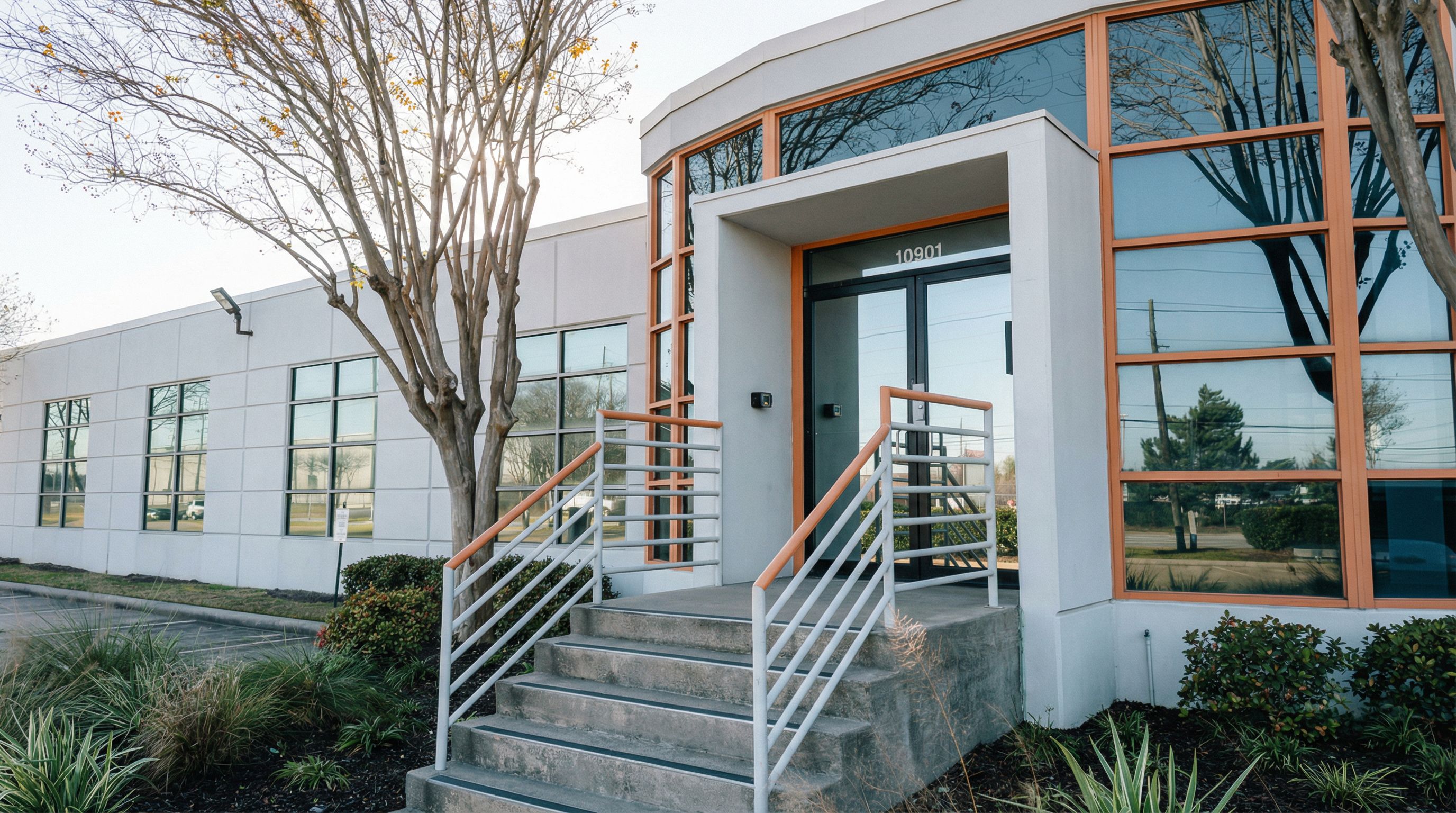
PromptYou are professional photographer and expert architect, you role is to transform the input into realistic photograph and add photography effects like chromatic abberation, ISO noise, Film grain, Sharpening pass, Soft glow, Exposure correction, Tone mapping, Bloom + glare mix. Composition: Always keep same input composition and camera angle, accordingly NEVER EVER crop the input or change the angle unless otherwise is mentioned in the user instructions regarding camera angle or composition. For example: if input is a tower, it should be fully visible. Additional guidance: consider the user instructions provided below to help you. Text: if input contains text, ensure to render it correctly. Errors: final output should be 100% correct without any errors or strange things. Input type: you are expected to handle different input types like clay model inputs, freehand sketches, photos, you have to think first how to transform each one into an ideal photograph Creativity and adding details: exteriors: add elements like landscape, context if needed to make the scene perfect award-winning shot. interiors: materials, textures, interior accessories,..etc. Final Result: final result quality always should tend to look like a realistic photograph unless user specifies different style below. User Instructions: "Exterior material, lighting, and landscape refinement ONLY for the existing commercial office building entry shown in the image. This is a close, angled detail view. Do not alter building height, roofline, parapet elevation, wall geometry, window size or placement, door size or position, stair geometry, railings, slab edges, landing dimensions, planting bed boundaries, or surrounding pavement. Maintain the exact structure, proportions, and scale as photographed. Do not add, remove, shift, or resize any architectural or site elements. No new ramps, stairs, canopies, sidewalks, planters, walls, railings, or landscape areas. Replace the existing exterior wall finish with smooth, minimalist tilt-wall concrete panels in a clean, cool white to soft off-white tone (crisper white, no beige or yellow undertones). Panels should read as contemporary architectural precast concrete. Maintain existing panel joints and rhythms only—do not introduce new reveals or divisions. Apply restrained secondary trim or framing in a light-to-medium neutral gray for subtle contrast, without adding depth or changing dimensions. Introduce subtle architectural orange accents inspired by the reference standard, using a muted, refined orange. Limit orange strictly to surface-applied elements already present, such as door surround trim, thin horizontal accent bands aligned with existing joints, handrails, or mullions. Do not use orange to create new forms, projections, or emphasis beyond existing geometry. Adjust lighting to a soft, evenly diffused daytime condition. Reduce harsh shadows, strong contrast, glare, and dramatic directional sunlight. Maintain a calm, bright, professional atmosphere with gentle shadow definition only. Improve landscaping only within the existing planting beds shown, increasing fullness and health of shrubs and groundcover while keeping the exact planting bed edges, trees, and layout unchanged. Do not add new landscape areas or remove any existing vegetation. Any visual refinement must be achieved solely through surface material, color, finish, lighting softness, and planting density. If any change requires modifying structure, circulation, geometry, or site layout, do not apply that change.The reference images are for material, color, and finish inspiration only and must not influence the camera angle, viewpoint, framing, perspective, or composition of the uploaded image.. Type: architectural exterior. Input: photograph. Camera: eye level view"
Date19 January 2026
Share