
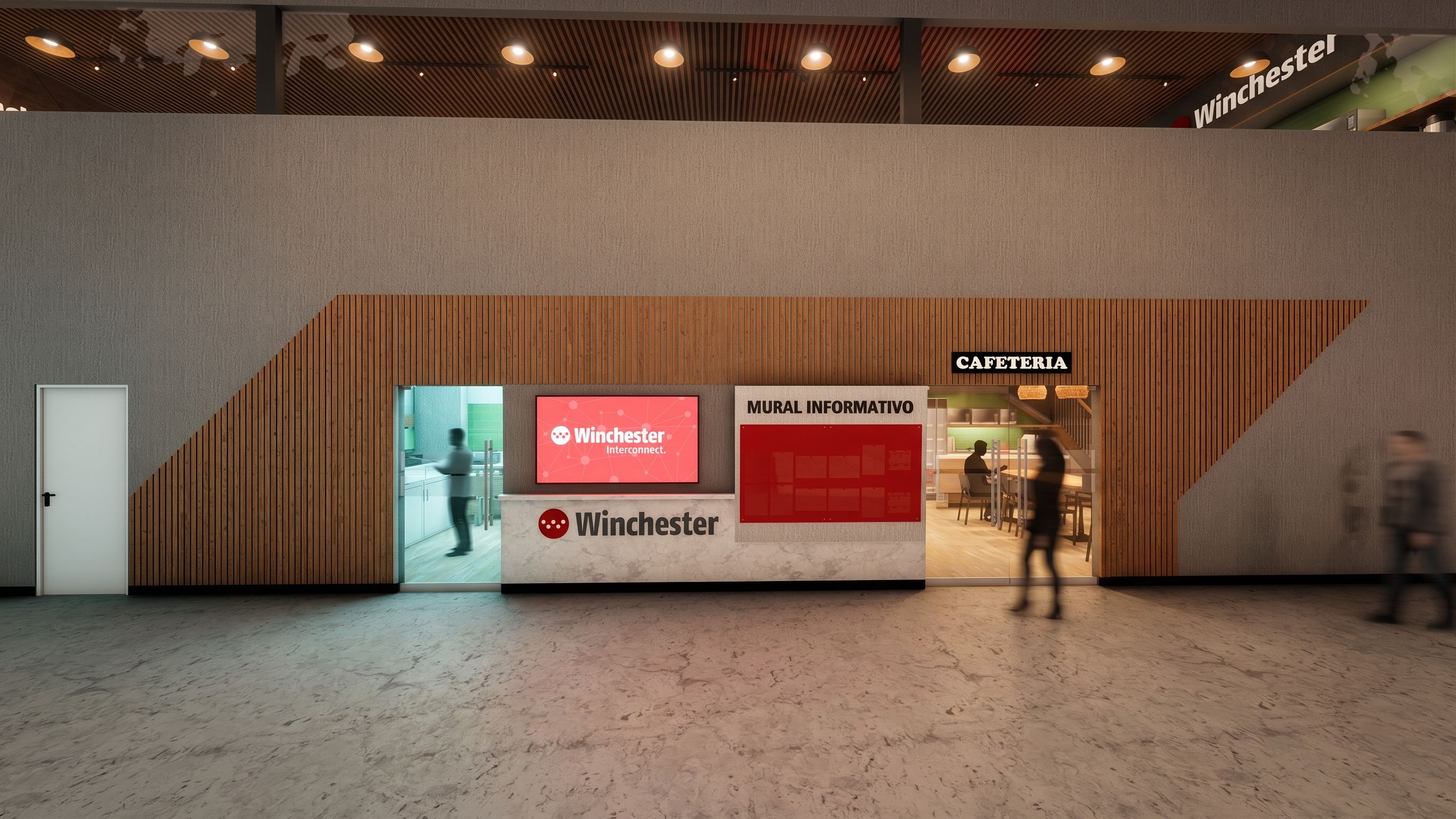
“Transform this reference image into an ultra photorealistic architectural/interior render. Preserve the exact geometry, proportions, materials, layout, and design details from the original image with high accuracy. Enhance all textures with realistic material definition: detailed wood grain, concrete imperfections, brushed metal reflections, fabric fibers, glass reflections, ceramic glaze variation, and natural surface roughness. Use cinematic global illumination with realistic indirect lighting, soft shadows, ambient occlusion, and physically accurate reflections. Create a moody coffee shop atmosphere with low ambient lighting, warm spotlights, cozy warm temperature lighting 2700K–3200K, subtle volumetric light, and soft contrast. The environment should feel intimate, elegant, modern, and premium. Maintain realistic exposure without overblown highlights. IMPORTANT LIGHTING CONTRAST: All areas that contain green tiles or green ceramic surfaces must be strongly accentuated with cool lighting tones 5000K–6500K to create a sophisticated visual contrast against the warm café seating and dining atmosphere. The green tiled zones — especially around the food preparation, service counter, bar, or serving areas — should glow subtly with crisp cool illumination, highlighting the texture and reflective quality of the tiles. This cool lighting should feel intentional, modern, and premium, visually separating the food service zone from the warmer customer seating and lounge areas. The transition between warm and cool lighting must feel cinematic, balanced, and architecturally integrated, not artificial. Add a few human figures as subtle semi-transparent silhouettes to give scale and life to the scene. The people should look natural and slightly motion-blurred, integrated realistically into the lighting, without becoming the focus of the image. Keep them elegant, minimal, and atmospheric. Rendering style: hyper realistic, cinematic interior photography, architectural visualization, V-Ray / Corona Renderer quality, ultra detailed, 8K, realistic textures, physically based materials, soft warm shadows, dramatic lighting, photorealism, high dynamic range, realistic reflections, subtle imperfections, premium café ambience. IMPORTANT: Respect the original forms, proportions, materials, textures, lighting hierarchy, and composition exactly as shown in the reference image. Do not redesign the architecture, alter the layout, or modify the original design intent. The render must feel like a highly realistic photographic version of the exact same space.”, keep exact camera angle
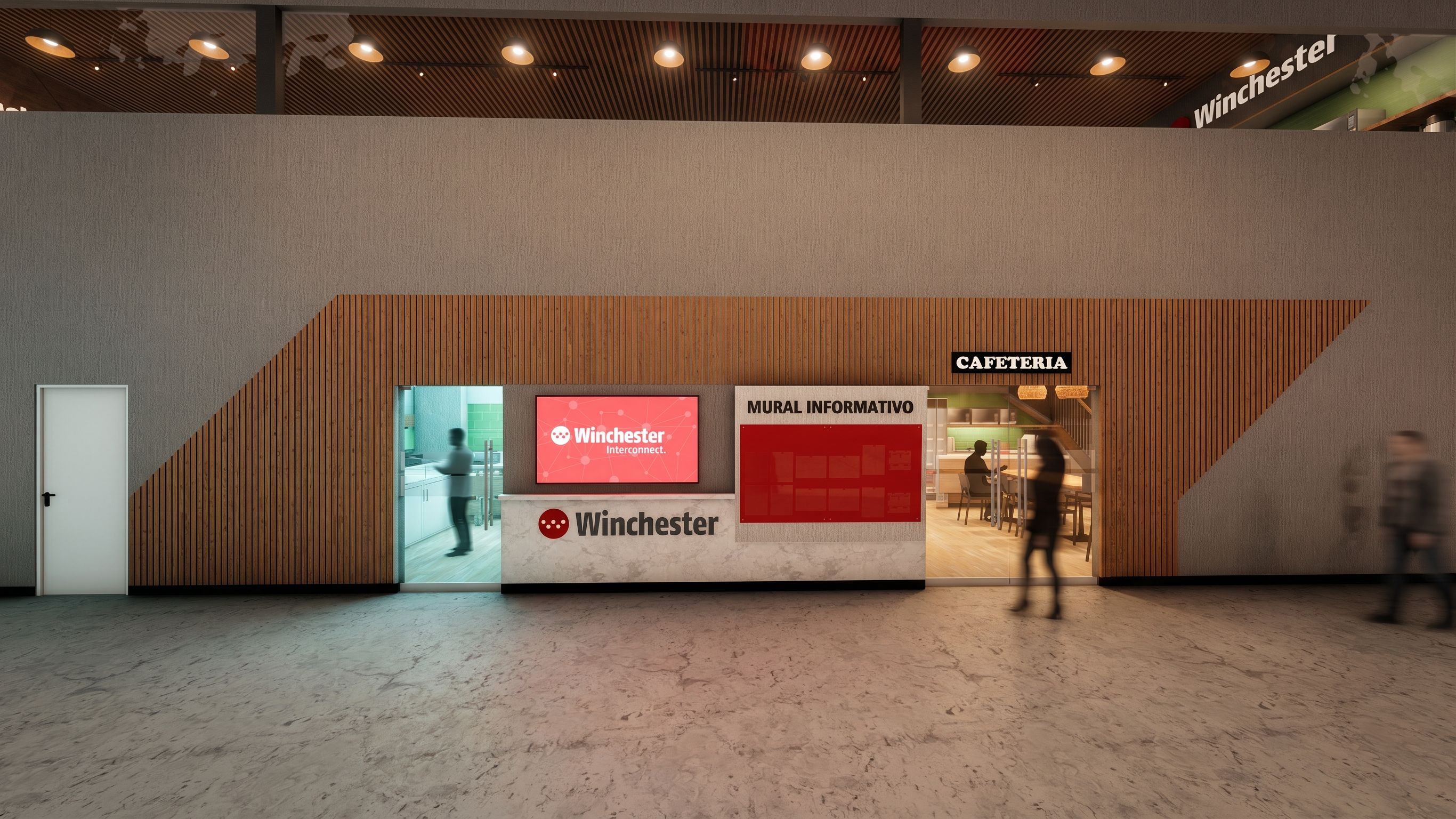
Prompt“Transform this reference image into an ultra photorealistic architectural/interior render. Preserve the exact geometry, proportions, materials, layout, and design details from the original image with high accuracy. Enhance all textures with realistic material definition: detailed wood grain, concrete imperfections, brushed metal reflections, fabric fibers, glass reflections, ceramic glaze variation, and natural surface roughness. Use cinematic global illumination with realistic indirect lighting, soft shadows, ambient occlusion, and physically accurate reflections. Create a moody coffee shop atmosphere with low ambient lighting, warm spotlights, cozy warm temperature lighting (2700K–3200K), subtle volumetric light, and soft contrast. The environment should feel intimate, elegant, modern, and premium. Maintain realistic exposure without overblown highlights. IMPORTANT LIGHTING CONTRAST: All areas that contain green tiles or green ceramic surfaces must be strongly accentuated with cool lighting tones (5000K–6500K) to create a sophisticated visual contrast against the warm café seating and dining atmosphere. The green tiled zones — especially around the food preparation, service counter, bar, or serving areas — should glow subtly with crisp cool illumination, highlighting the texture and reflective quality of the tiles. This cool lighting should feel intentional, modern, and premium, visually separating the food service zone from the warmer customer seating and lounge areas. The transition between warm and cool lighting must feel cinematic, balanced, and architecturally integrated, not artificial. Add a few human figures as subtle semi-transparent silhouettes to give scale and life to the scene. The people should look natural and slightly motion-blurred, integrated realistically into the lighting, without becoming the focus of the image. Keep them elegant, minimal, and atmospheric. Rendering style: hyper realistic, cinematic interior photography, architectural visualization, V-Ray / Corona Renderer quality, ultra detailed, 8K, realistic textures, physically based materials, soft warm shadows, dramatic lighting, photorealism, high dynamic range, realistic reflections, subtle imperfections, premium café ambience. IMPORTANT: Respect the original forms, proportions, materials, textures, lighting hierarchy, and composition exactly as shown in the reference image. Do not redesign the architecture, alter the layout, or modify the original design intent. The render must feel like a highly realistic photographic version of the exact same space.”, keep exact camera angle
Date12 May 2026
Share