Skip to content
airender
.
studio
Tools
ExteriorAI
Render buildings in 60+ AI-generated architectural styles.
InteriorAI
Restyle interior spaces with AI furnishing and materials.
SketchToRender
New
Pencil and CAD sketches become photoreal renders.
FloorplanAI
Generate 3D views and isometric renders from 2D plans.
LandscapeAI
Concept gardens and outdoor spaces with AI material engine.
MasterplanAI
Visualize masterplans and site layouts in aerial views.
VideoAI
New
Turn a still render into a cinematic AI video with camera moves.
RenderEnhancer
New
Upscale and sharpen renders with photoreal AI detail.
View all tools
Render
Pricing
Contact
Sign in
Start free
Render
Pricing
Contact
Tools
ExteriorAI
InteriorAI
SketchToRender
FloorplanAI
LandscapeAI
MasterplanAI
VideoAI
RenderEnhancer
Sign in
Start free
Render tools
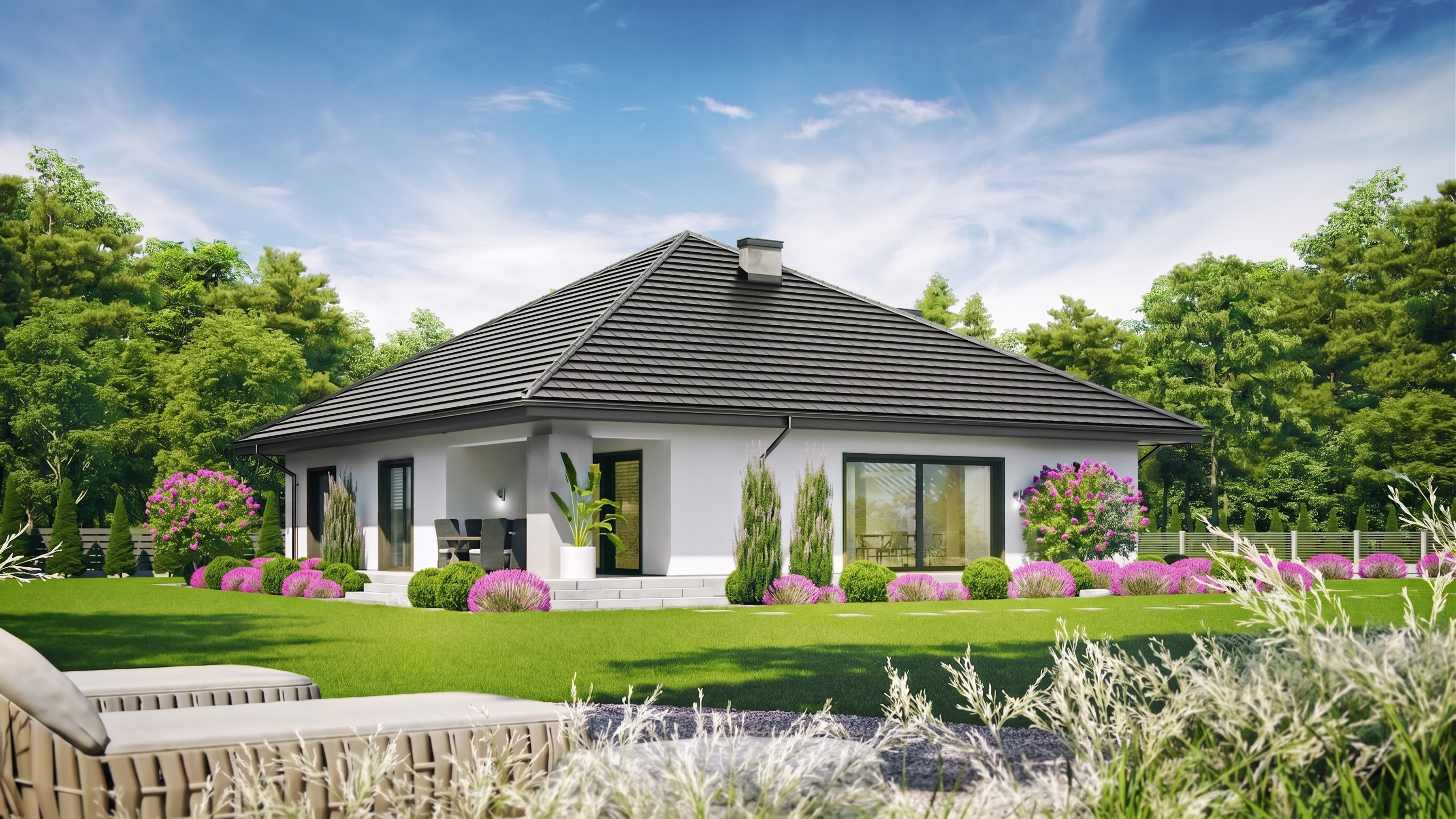
Create renders like this
Turn any photo, sketch, or floor plan into a photoreal render in seconds.
Explore tools
Start free