- Prompt
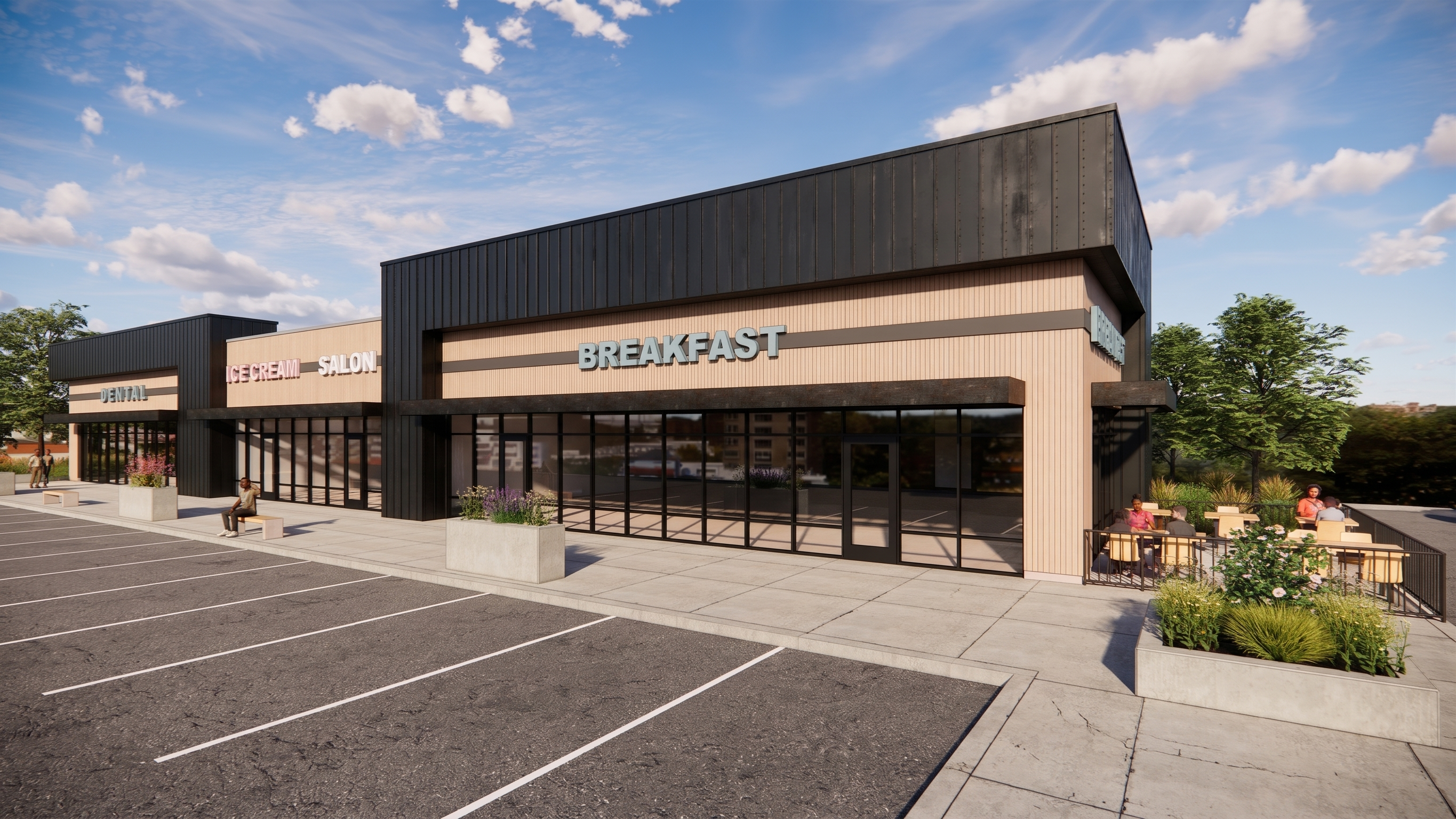
- Create an ultra-photorealistic architectural rendering that looks like a real photograph of a completed, professionally designed space. The highest priority is achieving authentic, realistic materials that look physically real, NOT cartoonish, plastic, artificial, illustrated, or computer-generated.
1. MATERIAL REALISM – HIGHEST PRIORITY
Make every existing material look natural, authentic, and physically realistic.
Preserve all original materials, colors, finishes, textures, and patterns exactly as designed.
Add realistic material depth, subtle surface details, natural imperfections, and physically accurate reflections without changing the original appearance.
Avoid flat colors, overly smooth surfaces, artificial textures, exaggerated patterns, plastic-looking finishes, and excessive glossiness.
Use physically based rendering (PBR) for realistic material roughness, reflections, transparency, and light interaction.
Wood must show natural grain and texture. Concrete and stone must have realistic surface depth. Metal must have accurate reflections. Glass must have natural transparency and reflections. Fabric must show realistic fibers and texture.
2. LIGHTING AND SHADOWS
Use physically accurate global illumination and natural light distribution.
Create realistic soft shadows, natural reflections, and subtle ambient occlusion.
Maintain balanced exposure, realistic contrast, and accurate white balance.
Avoid excessive brightness, artificial glow, oversaturated colors, and dramatic lighting effects.
Ensure light interacts naturally with each surface.
3. PHOTOGRAPHIC QUALITY
Make the final image look like a professional architectural photograph taken with a high-end full-frame camera.
Achieve realistic depth, sharp details, natural contrast, and photographic dynamic range.
Eliminate blurry textures, distorted edges, inconsistent reflections, artificial sharpening, and AI-generated artifacts.
Avoid cartoon-like, painterly, stylized, or CGI-looking results.
4. STRICTLY PRESERVE THE ORIGINAL DESIGN
Do not change any existing materials, colors, textures, or finishes.
Do not modify architectural geometry, dimensions, proportions, or layout.
Do not add, remove, move, or replace any furniture, fixtures, doors, windows, walls, ceilings, or architectural elements.
Preserve the exact original camera position, viewing angle, perspective, and composition.
Do not introduce any new decorative elements or design features.
FINAL INSTRUCTION:
The original model is the only source of truth. This is strictly a photorealism enhancement task, NOT a redesign.
Prioritize realistic material appearance above artistic styling. Every surface must look genuine and believable, as if it exists in the real world.
The final result must be visually indistinguishable from a professionally photographed real architectural space, while maintaining 100% fidelity to the original design, materials, colors, and layout.
- Created
- November 16, 2026