
Exterior House Colors: How to Choose, With 10 Palettes
AI Render Studio · October 25, 2026
Short answer: most good exterior colour schemes have three parts — a wall colour, a trim colour and one accent for the front door — chosen to work with the roof and any brick or stone. White, greige, grey, navy, sage and charcoal are the safest wall colours; black or white trim decides whether the house looks modern or classic. Below are ten tested palettes, ideas for each house style, and a way to see a scheme on your own house before you buy any paint.
| Palette | Walls | Trim | Front door | Best for |
|---|---|---|---|---|
| Modern farmhouse | Warm white | Black | Natural oak | New builds, farmhouses |
| Classic greige | Greige | Bright white | Black | Almost any house, any roof |
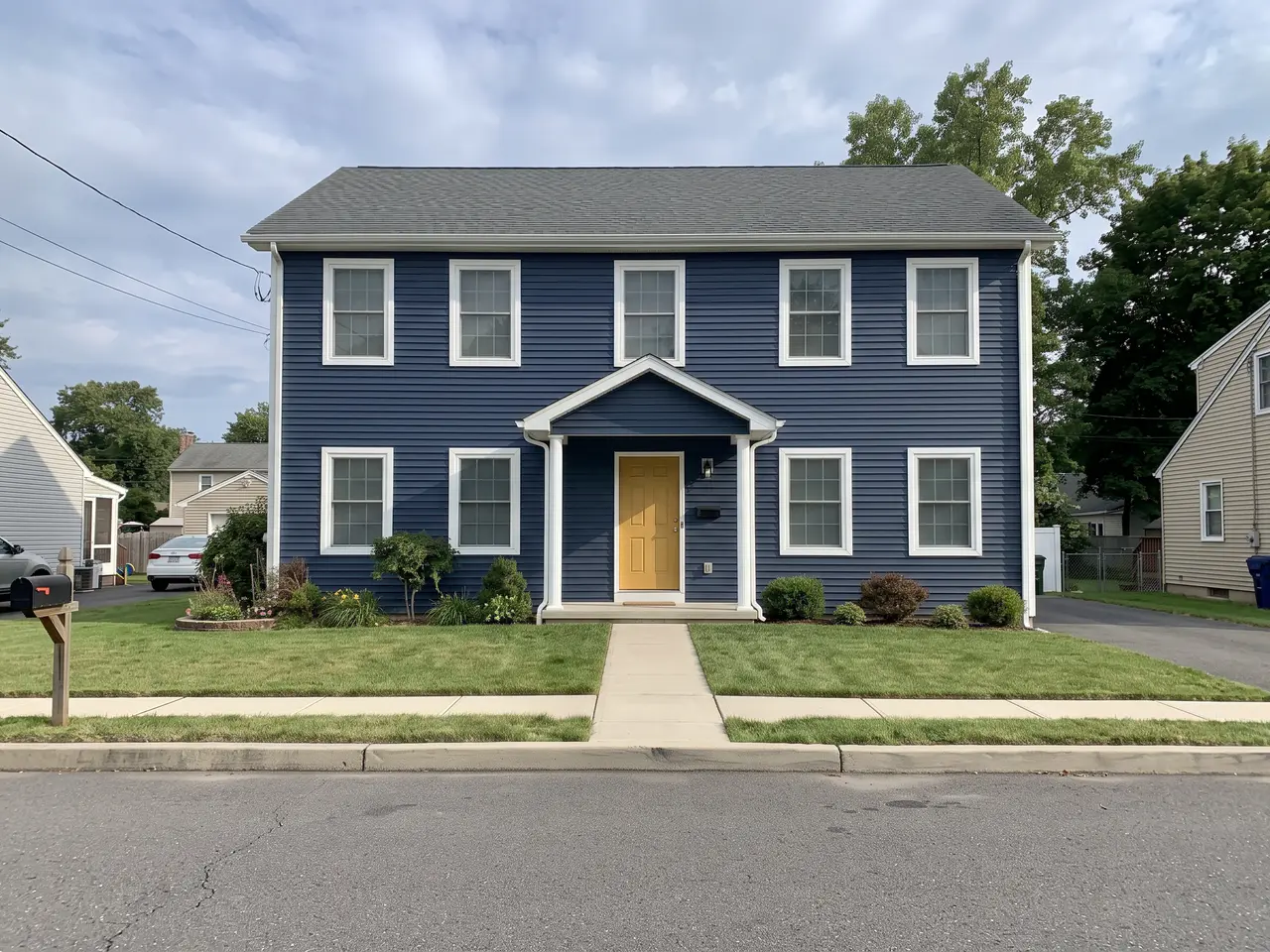
| Navy and white | Navy blue | Bright white | Mustard yellow | Colonials, traditional homes |
| Sage and cream | Sage green | Cream | Walnut brown | Craftsman, cottages, garden settings |
| Charcoal and cedar | Charcoal grey | Black | Cedar | Modern and contemporary homes |
| Coastal blue-grey | Pale blue-grey | Bright white | Navy | Coastal and Cape Cod homes |
| Cream and red | Warm cream | Chocolate brown | Deep red | Older and traditional houses |
| Forest green | Forest green | Cream | Cedar | Wooded plots, rural homes |
| Taupe and bronze | Taupe | Off-white | Bronze | Brown or tan roofs, desert climates |
| All white | Soft white | Soft white | Slate grey | Minimal modern and Mediterranean homes |
You can try every one of these on a house, and change any part, in the free exterior house color visualizer.
The same house in seven colour schemes
To show how much colour alone changes a house, we photographed one plain beige colonial and repainted it with AI in seven of the palettes above. The windows, porch, roof shape and garden did not change — only the paint.
Navy and white: the deep wall colour makes the white trim and porch columns stand out, and the yellow door is visible from the street.
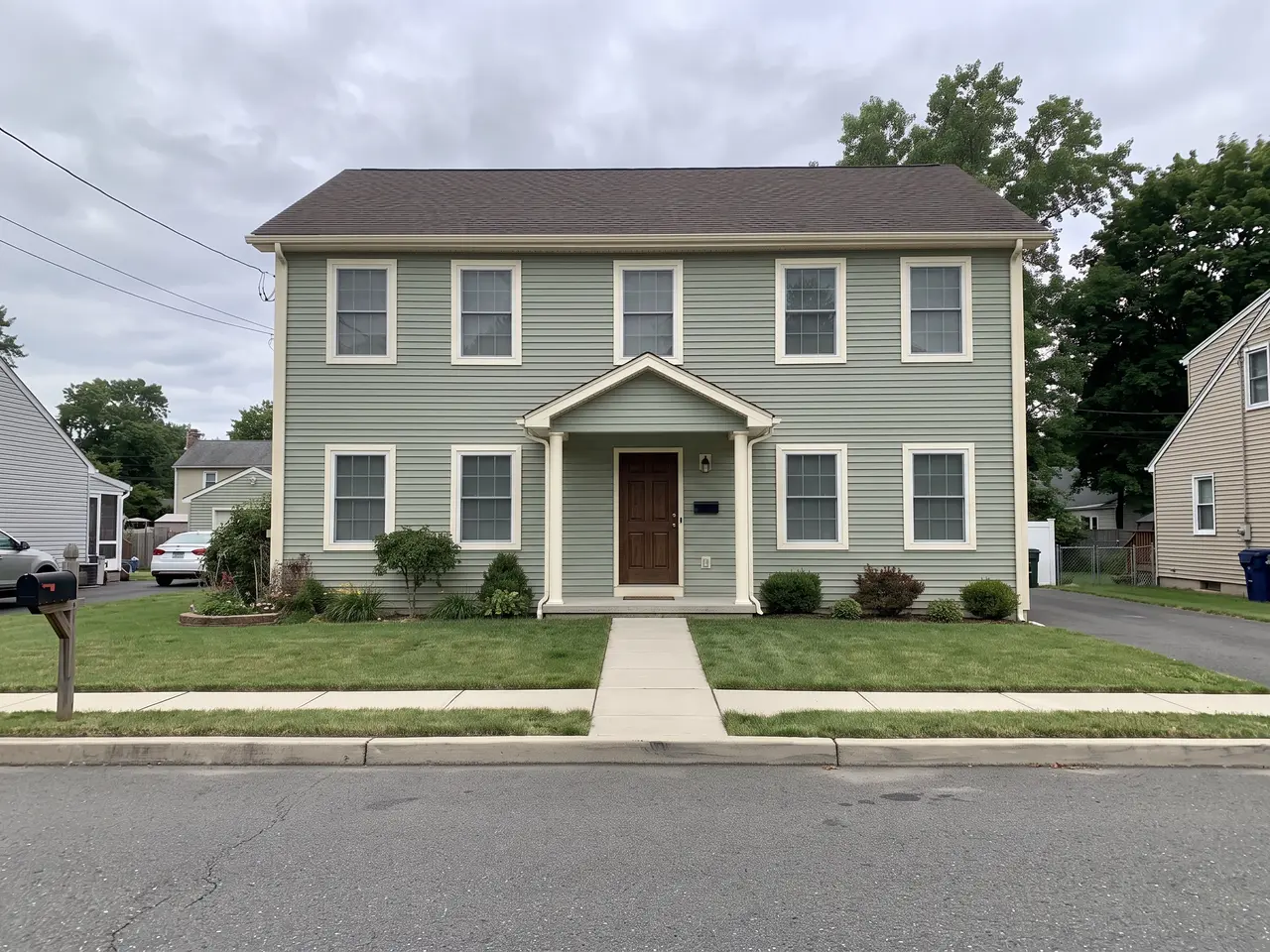
Sage and cream: softer contrast, warmer and more relaxed — it suits gardens and wood.
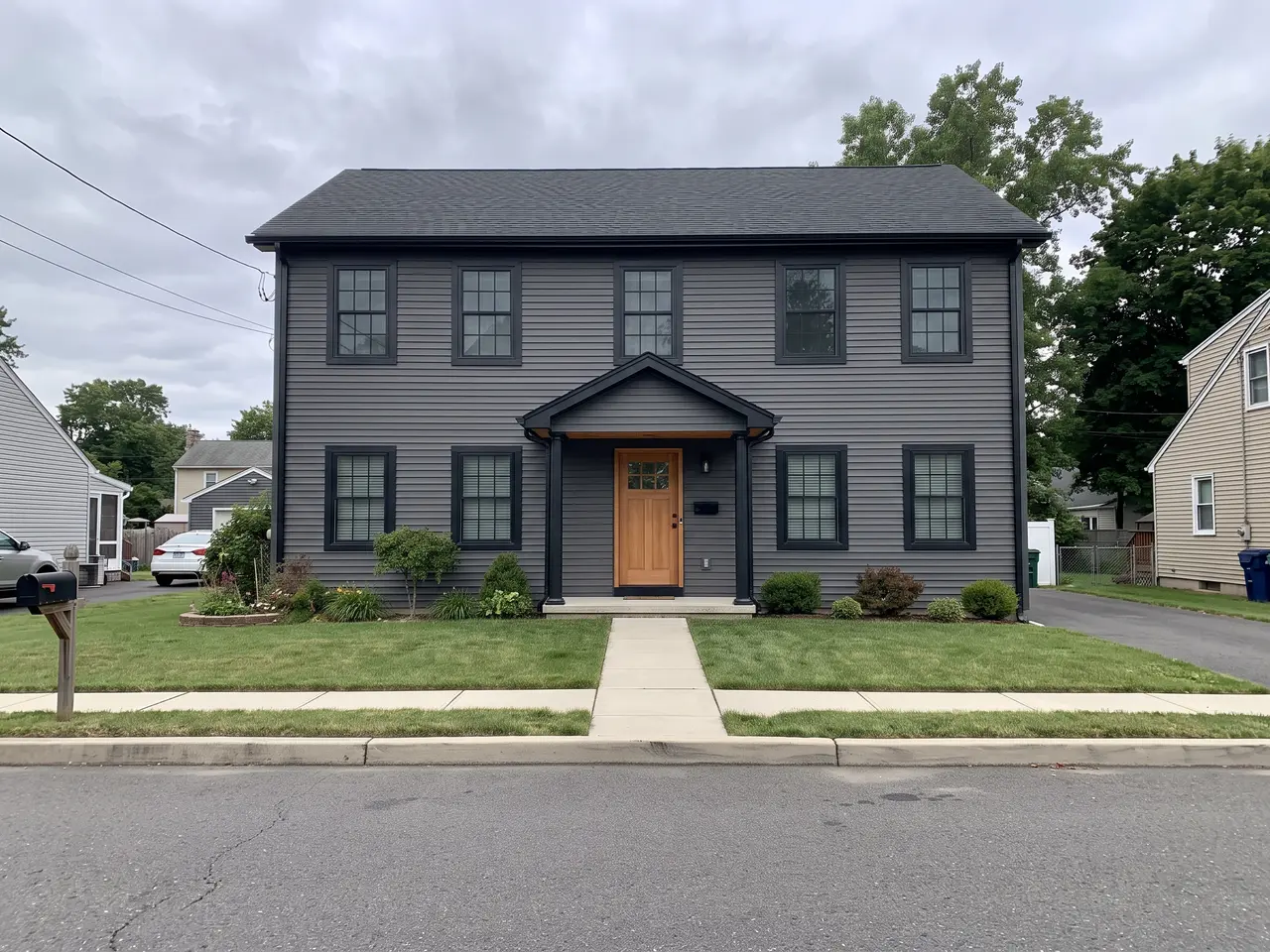
Charcoal and cedar: dark and modern. The wood door keeps it from feeling cold.
All seven versions, with a before-and-after slider for each, are on the visualizer page.
How to choose exterior house colours in five steps
- List what will not change. The roof, brick, stone, window frames, gutters and paving stay, so the paint must work with them. A brown or red roof pulls towards warm colours (cream, taupe, sage, warm white). A black or grey roof suits cool and neutral colours (white, grey, navy, charcoal, green).
- Pick the wall colour first. It covers most of the house and sets the mood. Look at the house from across the street, not from the doorstep — the wall colour is what neighbours see.
- Decide on contrast for the trim. White or black trim gives crisp, high contrast. Trim close to the wall colour gives a soft, tonal look that hides less-than-perfect woodwork.
- Choose one accent. The front door is the best place for a strong colour. One bold accent looks intentional; three looks busy.
- Test outdoors. Paint looks lighter and less saturated in daylight than on a chip or a screen. Paint large samples (at least the size of a door) on a sunny and a shaded wall and look at them at different times of day.
A useful number while choosing is LRV — light reflectance value, printed on most paint cards. It runs from 0 (black) to 100 (pure white). Walls above about 60 read as light and stay cooler in sun; walls below about 20 read as dark and absorb more heat. A clear LRV gap between walls and trim makes the trim stand out.
Popular exterior house colours by family
Whites and off-whites. The most common exterior colour, and the hardest to get right: pure white can look stark and blue in strong light. Warm whites with a hint of yellow or grey look softer and suit almost any roof. White shows dirt and mildew sooner, so expect to wash or repaint more often.
Greys and greige. The safe middle ground. Greige (grey with beige) works with both warm and cool roofs and with most brick and stone. Light greys look fresh with white trim; mid greys look modern with black trim.
Blues. Pale blue-greys are relaxed and coastal; navy is traditional and confident. Blue works best with white trim and with a warm accent — a yellow, red or wood door — to stop it feeling cold.
Greens. Sage and olive are soft and natural, and look good among planting. Deep forest green is rich and calm, and suits wooded or rural plots. Pair greens with cream rather than bright white for a warmer look.
Dark colours. Charcoal, black and very dark green make a modern, graphic statement and make wood, plants and lighting stand out. They absorb heat and show fading sooner, so they suit cooler climates and good-quality paint.
Warm neutrals. Cream, tan, taupe and terracotta suit brown roofs, brick and hot, sunny climates. They are forgiving with dust and pair well with dark brown or bronze trim.
Grey exterior house colours
Grey is one of the most searched exterior colours because it is hard to go wrong with it — but the undertone matters. A grey with a blue undertone looks cool and crisp next to white trim and a black or grey roof. A grey with a green or beige undertone (greige) looks warmer and works with brown roofs and brick. Check the undertone by holding the sample next to pure white paper: the hidden colour shows straight away.
For a modern grey house, use a mid or dark grey with black window frames and trim. For a classic look, use a light grey with bright white trim and a coloured door. For a soft, tonal look, use trim two shades darker than the walls.
Exterior colour ideas by house style
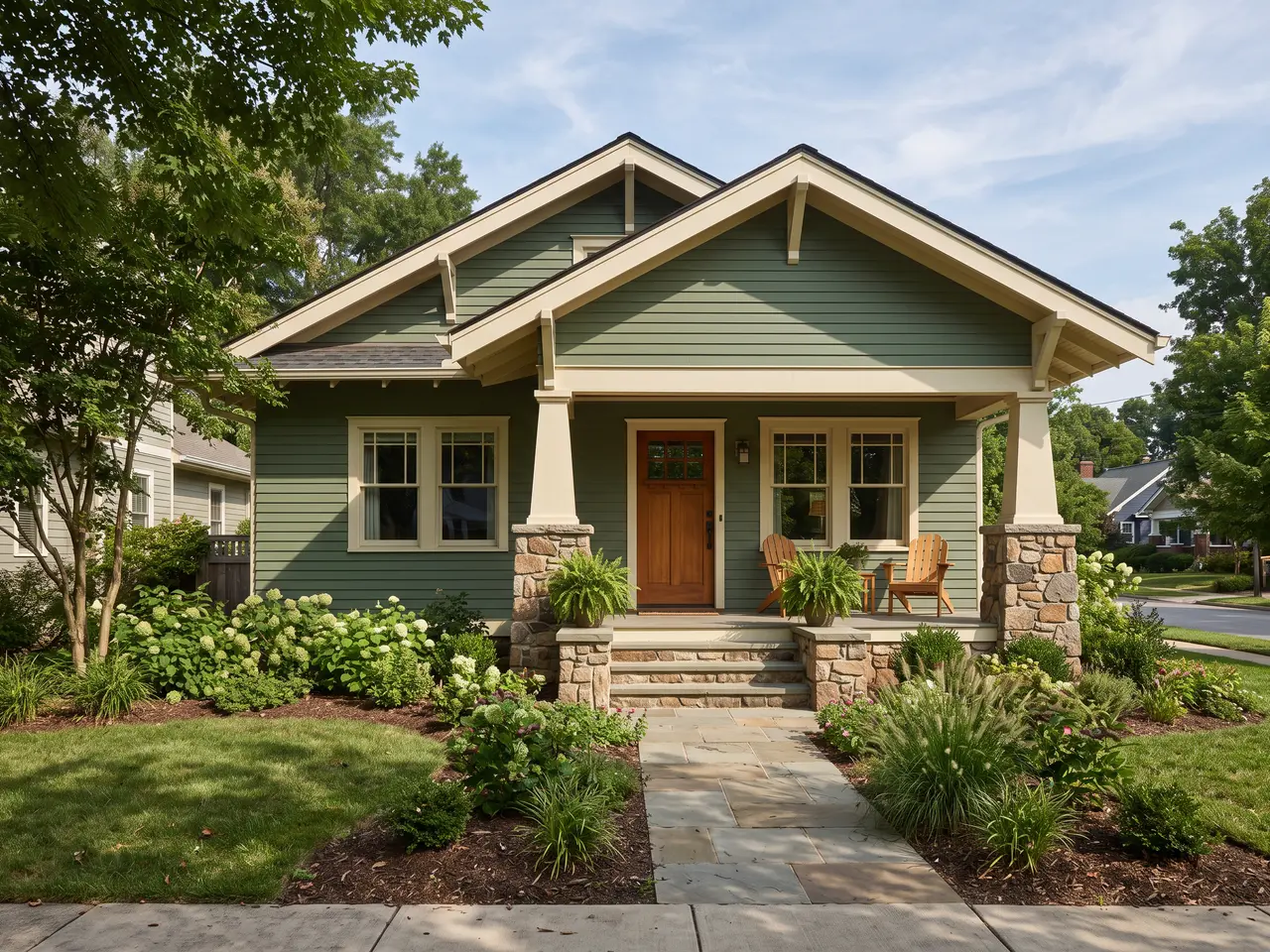
Craftsman. Earthy colours suit the style's wood and stone: sage, olive, brown, deep red and warm greige, with cream or dark brown trim and a stained wood door. Craftsman houses often use three colours — body, trim and an accent on the window sashes.
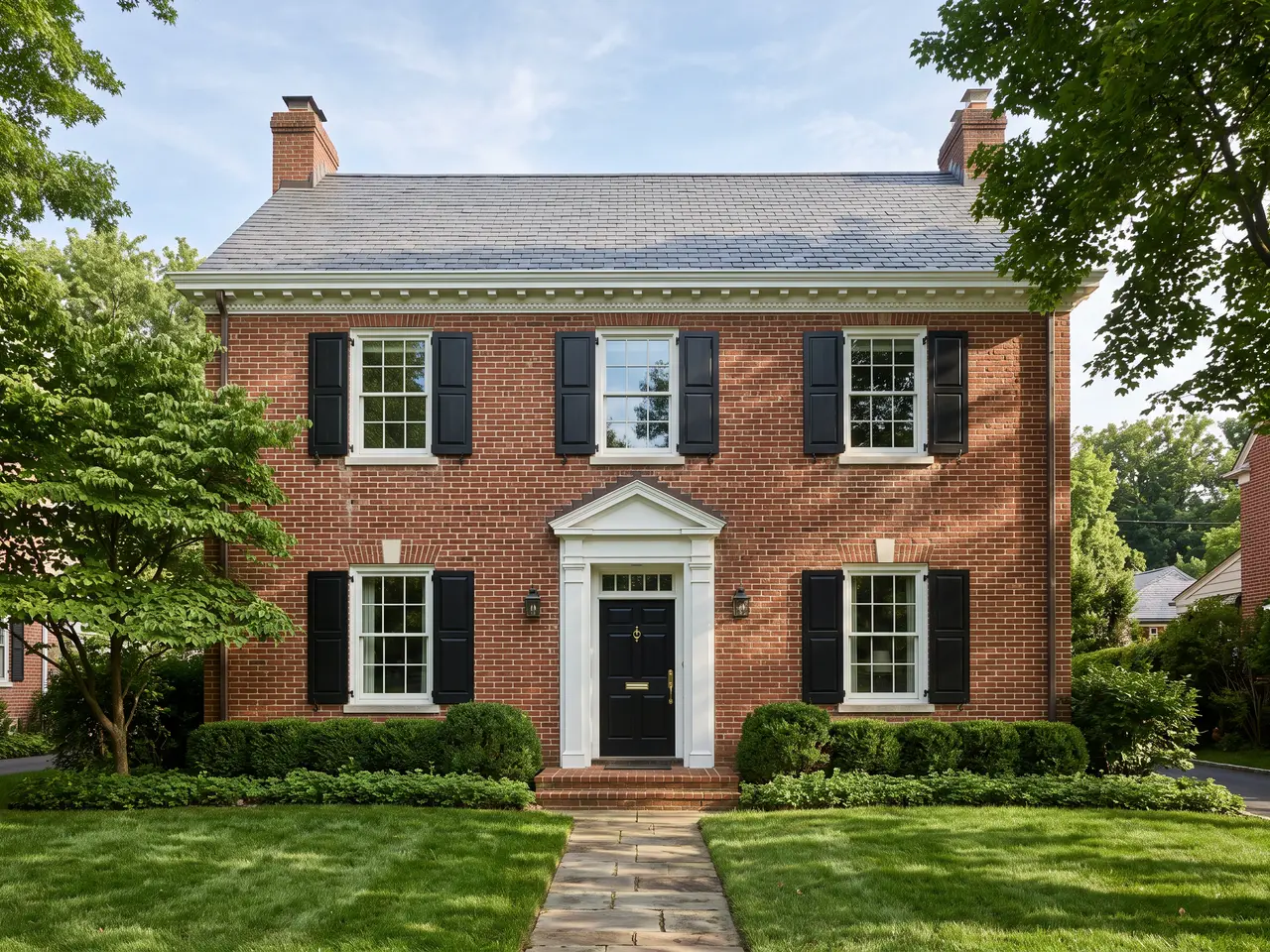
Colonial and brick houses. With brick, the brick is the wall colour, so the paint goes on trim, shutters and door. White trim with black shutters and a black or red door is the classic combination. Painted colonials suit white, greige, navy and grey with white trim.
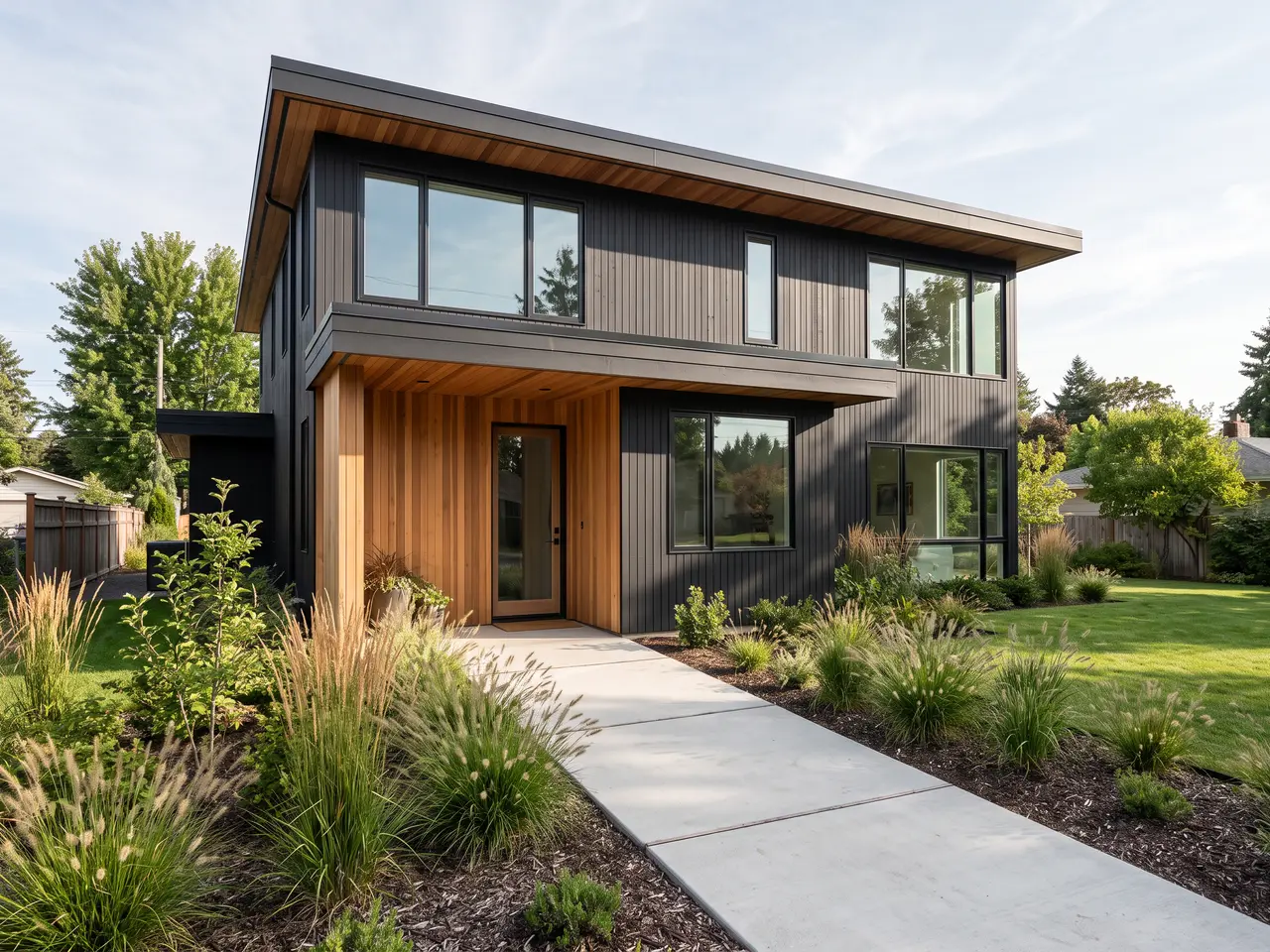
Modern and contemporary. Few colours, strong contrast: white or black walls, charcoal or dark grey with black frames, or a single dark colour with natural wood around the entrance. Keep the trim the same colour as the window frames for a clean look.
Modern farmhouse. Warm white or soft white walls, black trim and window frames, a black or dark grey roof and a natural wood door. Board-and-batten siding makes the scheme look more crafted.
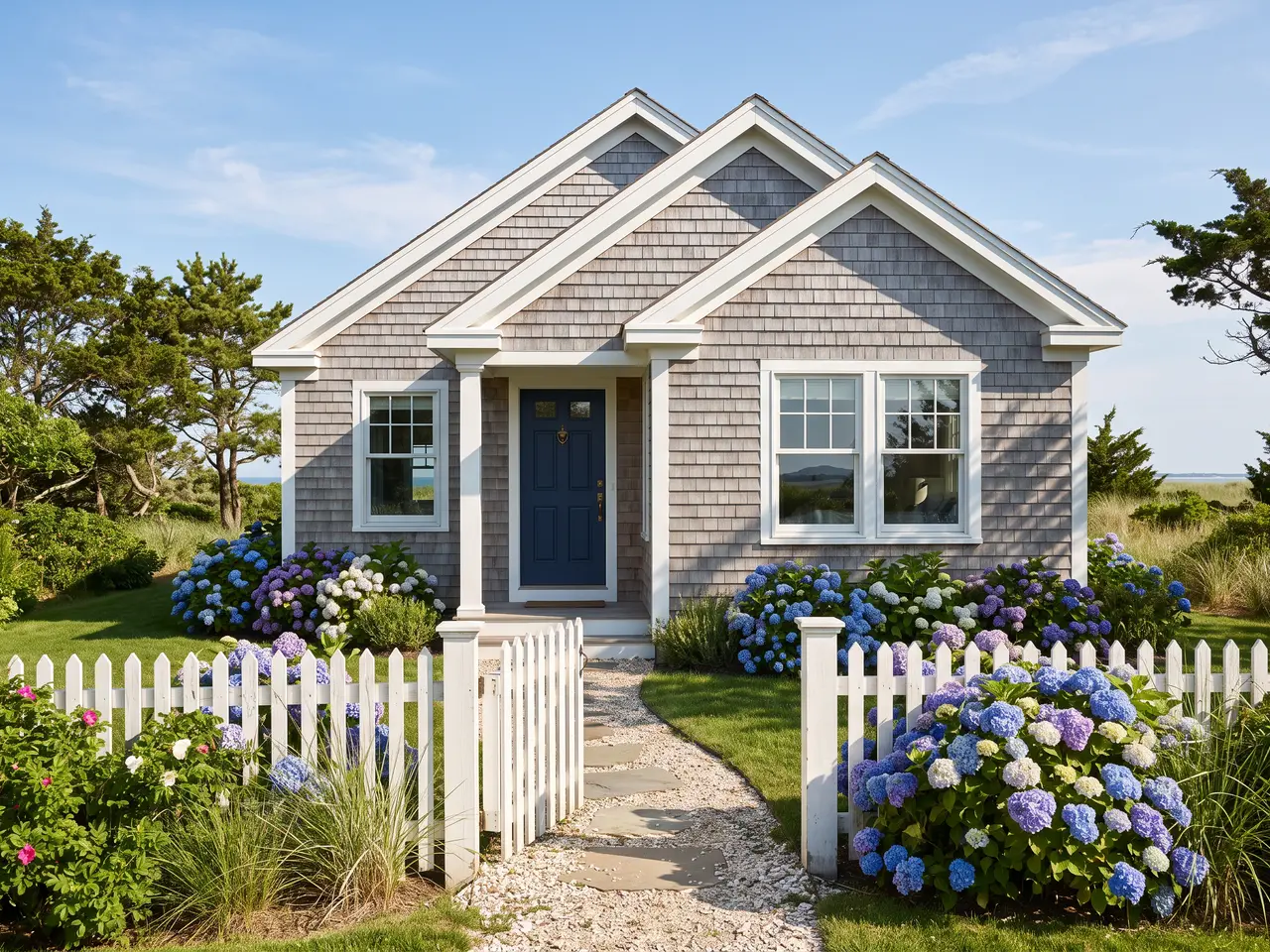
Coastal and Cape Cod. Weathered grey shingles or pale blue-grey siding, crisp white trim and a navy, teal or red door. Light colours reflect strong coastal sun and look fresh.
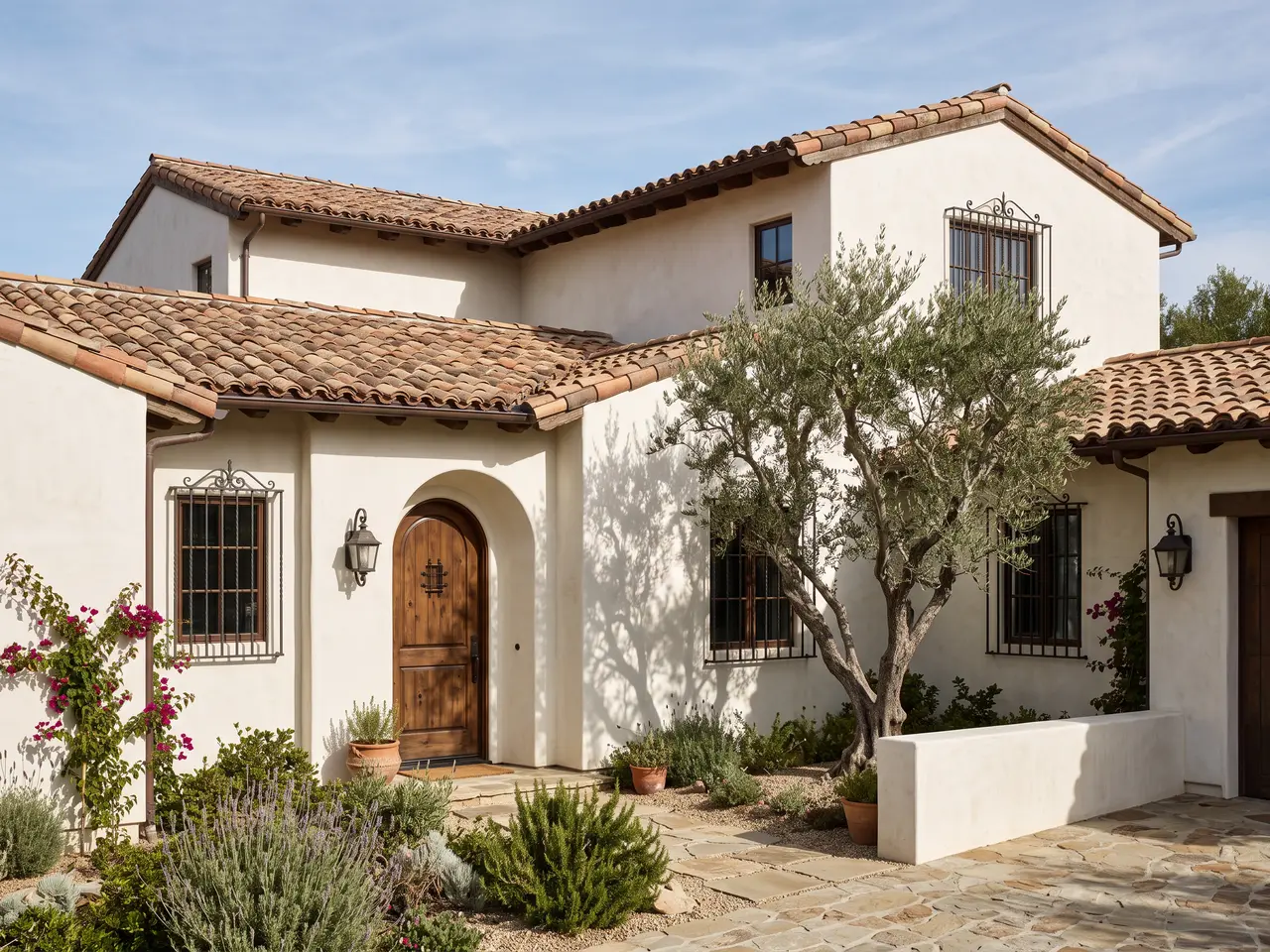
Spanish and Mediterranean. Warm white, cream or sand stucco with a terracotta tile roof, dark wood doors and black wrought iron. The roof is the accent, so the walls stay quiet.
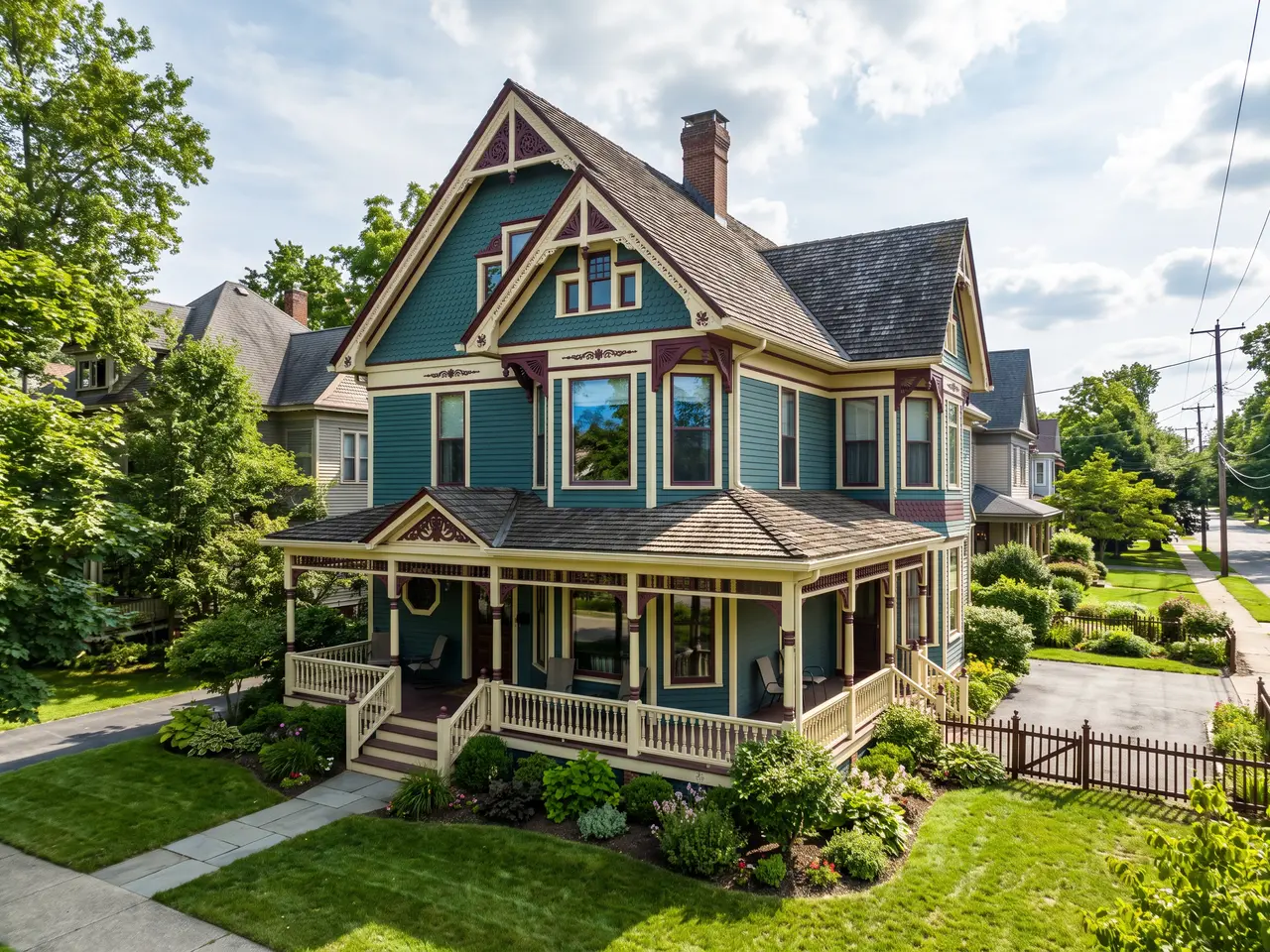
Victorian. The one style where many colours work: deep body colours (teal, plum, green, red) with contrasting trim and a third or fourth colour picking out the decorative details. Check historic-district rules first.
Trim and front door colours
Trim is where most schemes succeed or fail. White trim is classic and brightens any wall colour, but it shows dirt. Black trim is modern and graphic, and works best on white, grey and wood. Trim close to the wall colour hides uneven woodwork and makes a large house look calmer.
The front door is the safest place for a strong colour. Red, yellow, teal and navy doors all work on neutral houses; natural wood suits almost every scheme. Match the door hardware to other metals on the house — black with black frames, brass with warm palettes.
Mistakes to avoid
- Choosing from a small chip. Colour looks lighter and brighter on a large wall in daylight. Go a shade darker or less saturated than your first choice.
- Ignoring the roof. A cool grey house under a warm brown roof will always look slightly wrong.
- Too many accents. One strong colour looks intentional; several compete.
- Forgetting the neighbours and the rules. Check homeowners' association or conservation-area rules before buying paint.
- Skipping the sample. Sample pots are cheap compared with repainting a house.
See the colours on your own house first
The quickest way to compare schemes is the free exterior house color visualizer: pick a palette or set the wall, trim, door and roof colours, and share the scheme as a link. When you have a favourite, upload a straight-on daytime photo of your house to the exterior renderer and AI Render Studio repaints it in about 30 seconds, keeping the shape, windows and garden. For bigger changes — new cladding, a new porch or a different roof — see AI house exterior design.
FAQ
What is the most popular exterior house colour?
White and off-white remain the most common choice, followed by greige and light grey. Darker schemes such as charcoal, navy and deep green have grown in popularity, usually paired with black or white trim and a wood or bold front door.
How do I choose exterior paint colours for my house?
Start from the parts that will not change (roof, brick, stone, windows), choose a wall colour that works with them, then a trim colour that either contrasts or blends, and finally one accent for the front door. Test large samples on the house in daylight before deciding.
Which exterior colours fade the least?
Lighter, less saturated colours such as whites, greiges and soft greys show fading least. Strong reds, bright blues and very dark colours absorb more sunlight and change faster, especially on south- and west-facing walls.
What colour trim goes with grey siding?
Bright white trim gives grey a crisp, classic look; black trim makes it modern; and a trim one or two shades darker than the grey gives a soft tonal finish. A wood, red or yellow front door adds warmth.
Can I see paint colours on my house before painting?
Yes. Try schemes in the free exterior house color visualizer, then upload a photo of your house to AI Render Studio to see it repainted in the colours you chose in about 30 seconds.
Keep reading
Try it yourself
Render your design in seconds.
Turn a sketch, model or photo into a photoreal render. Start free — 3 credits, no credit card.